
Practical support, delivered with compassion.
Our projects focus on palliative home care, patient welfare and community support for families affected by cancer.
Lifeline Hope Foundation works with healthcare professionals, volunteers and community partners to provide dignity-focused support when patients and families need it most.
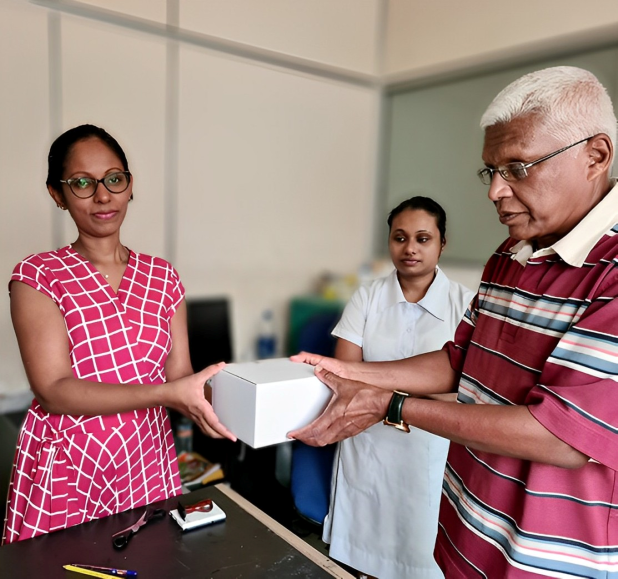
Support that reaches patients and families directly.
Our work is built around practical needs, emotional care and ongoing support after hospital treatment.
Identify the need
Patient and family needs are understood with care and responsibility.
Coordinate support
Volunteers, healthcare partners and donors help arrange suitable assistance.
Deliver with dignity
Support is delivered with compassion, privacy and respect for each family.
Based on a discussion with Dr. Priyadarshani Godigamuwa
Care that protects comfort, dignity and quality of life.
Palliative care is compassionate support for people facing serious or life-threatening illness. It focuses on improving quality of life by relieving pain, easing symptoms, reducing emotional distress and supporting the family as well as the patient.
For many cancer patients, the most difficult period begins when hospital treatment is no longer the only focus. The patient may return home, but the family still carries fear, uncertainty, financial pressure, transport needs, nutrition needs, emotional strain and many practical responsibilities.
Palliative care responds to this reality. It does not look only at the disease. It looks at the person, the family and the home environment. It asks what can be done to help the patient live with more comfort, peace, dignity and human connection.
Why palliative care matters
A terminally ill patient may experience physical pain, tiredness, loss of appetite, fear, loneliness and anxiety. At the same time, family members may struggle with medical expenses, transport to hospital, food, caregiving duties and emotional exhaustion.
This is why palliative care includes physical, emotional, social and spiritual support. A patient may need medicine, nutrition, sanitary items or transport assistance. Another patient may need encouragement, counselling, religious or spiritual comfort, or simply the reassurance that they are not forgotten.
How Lifeline Hope Foundation supports patients
Lifeline Hope Foundation’s palliative home care work is built around dignity-focused support for terminally ill cancer patients and their families. After identifying patients in need, the foundation’s team works to understand the patient’s social and financial situation and recommend suitable assistance.
The support may differ from family to family. It can include help with food, medical or nutritional supplements, sanitary requirements, transport for hospital visits, physical support needs, counselling support, recreational encouragement and other practical assistance where possible.
Through this work, the foundation aims to reduce the burden carried by families and bring back courage, hope and comfort during a deeply painful stage of life.
In simple words: palliative care is not only about illness. It is about helping patients live with dignity, peace and comfort while supporting the people who care for them.
What support can include
- Relief from pain, discomfort and emotional distress.
- Nutrition, medicine or sanitary support where possible.
- Transport assistance for hospital visits and care needs.
- Emotional, social and spiritual support for patients and families.
- Respect for dignity, privacy and comfort at home.
Is palliative care only end-of-life care?
No. Palliative care can support patients and families at different stages of a serious illness. Its purpose is to improve quality of life and reduce suffering through physical, emotional, social and spiritual care.
Why families need support too
When a loved one is seriously ill, the whole family is affected. Palliative care recognises that family members also need guidance, encouragement and practical help to continue caring with strength and hope.
Focused programs for real needs.
These programs guide the foundation’s core patient-support work.
Cancer Patient Support Through Palliative Home Care
Monthly support for nutrition, medication, medical travel and physical aids, helping patients live with dignity and comfort.
Spiritual Care for Patients – “Pinkama”
Encouraging and financially assisting patients to give alms and find inner peace during difficult times.
Welfare Support for Patients’ Children
“Let’s Color the Wings” directly supports welfare, education and career development of children in affected families.
Care made visible through action.
Through community outreach, patient support programs and collaborative initiatives, we continue to make a meaningful impact.
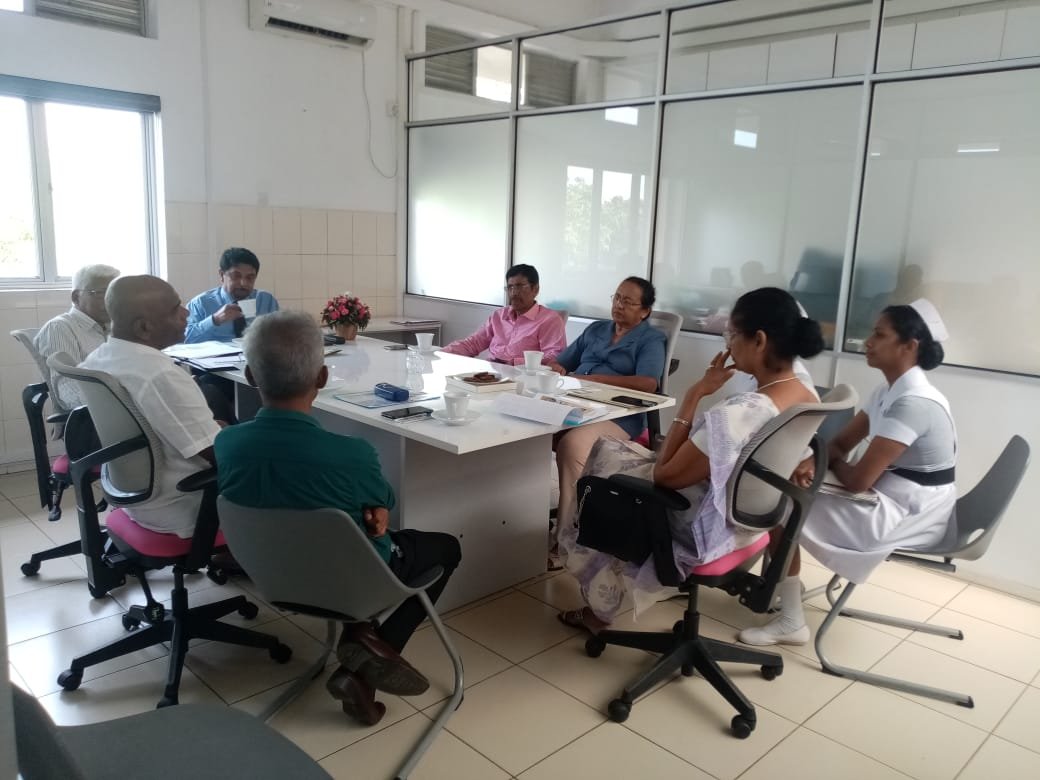
Community Engagement
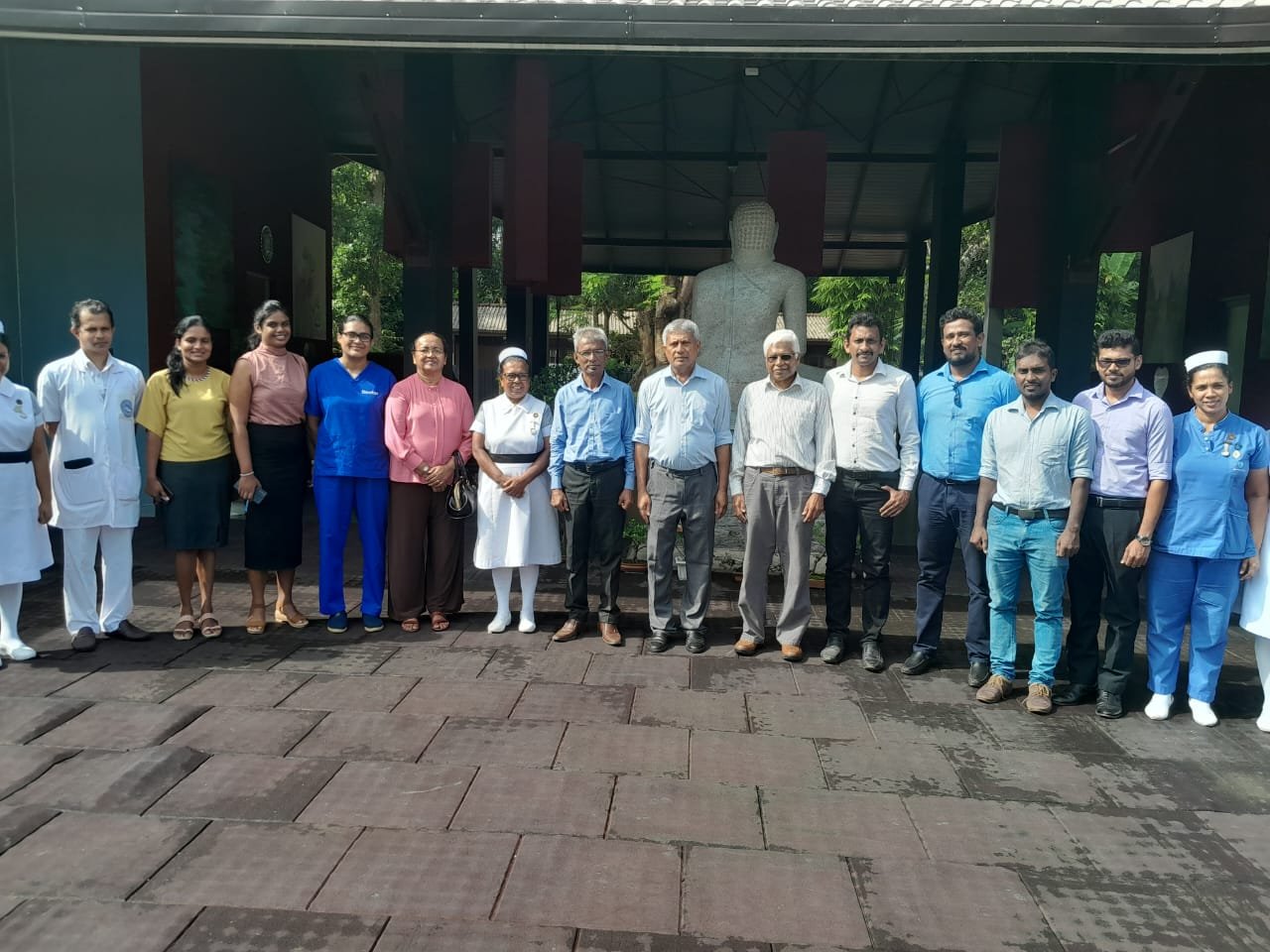
Working closely with healthcare professionals and community members to strengthen patient support.
Patient Welfare Support
Providing practical support and essential assistance to patients and families in need.
Partnership Initiatives
Building partnerships and collaborations to extend care, compassion and support across Sri Lanka.
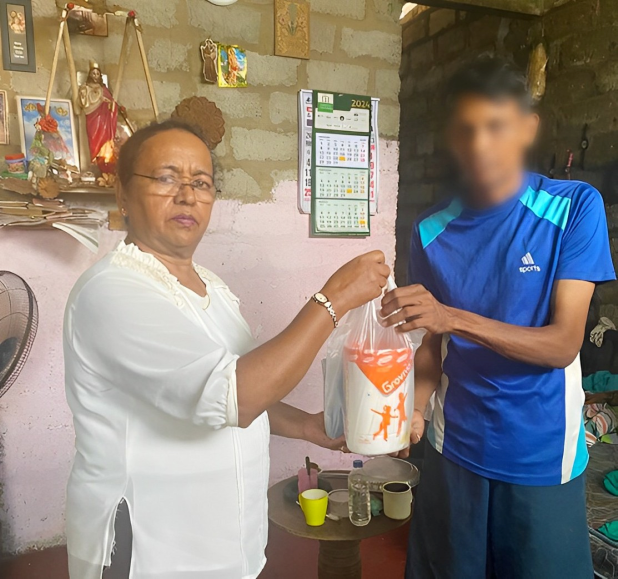
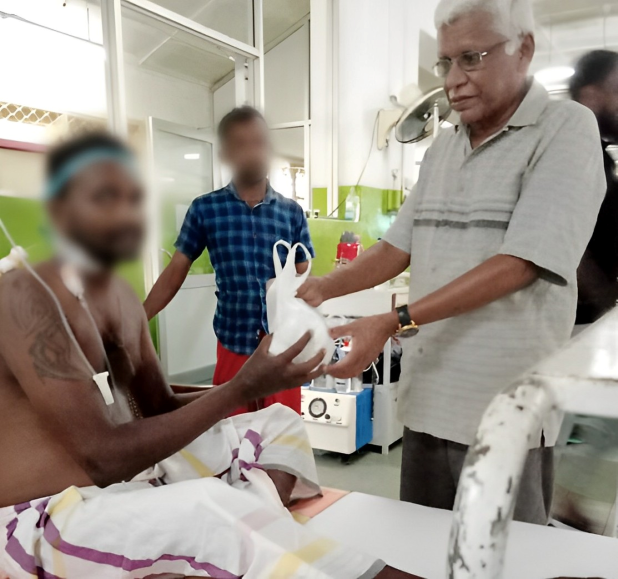
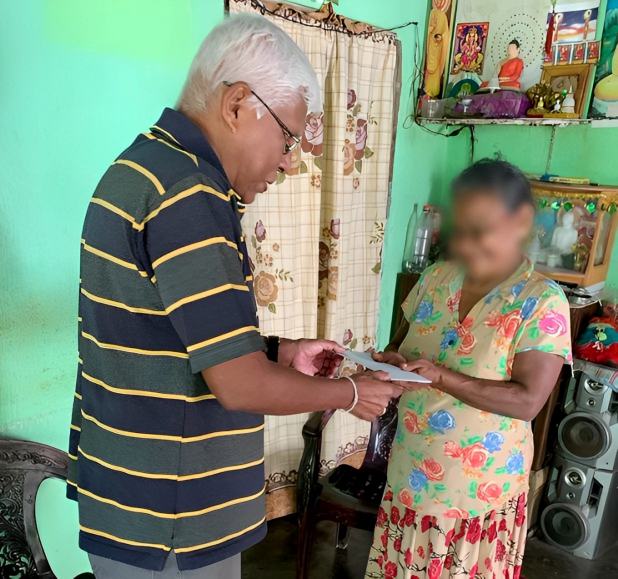
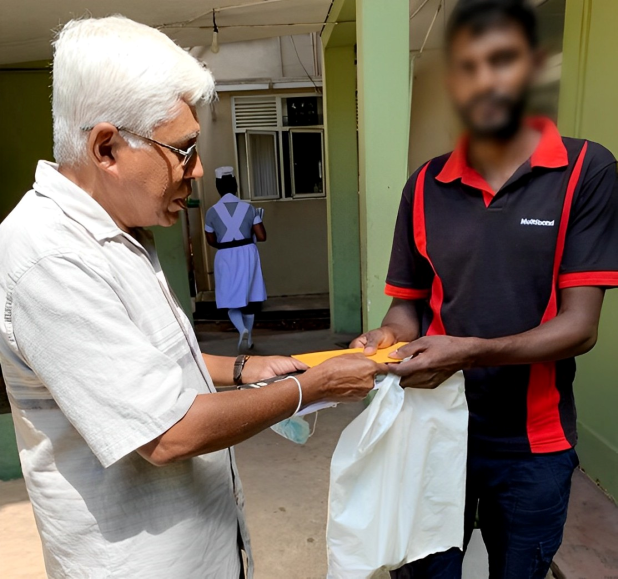
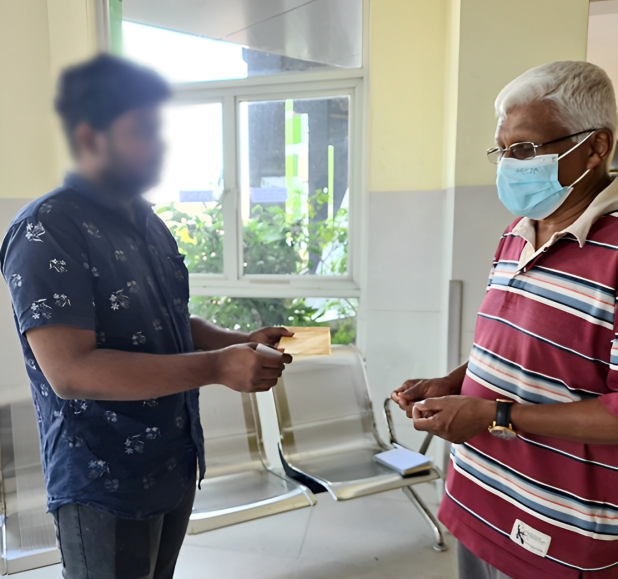
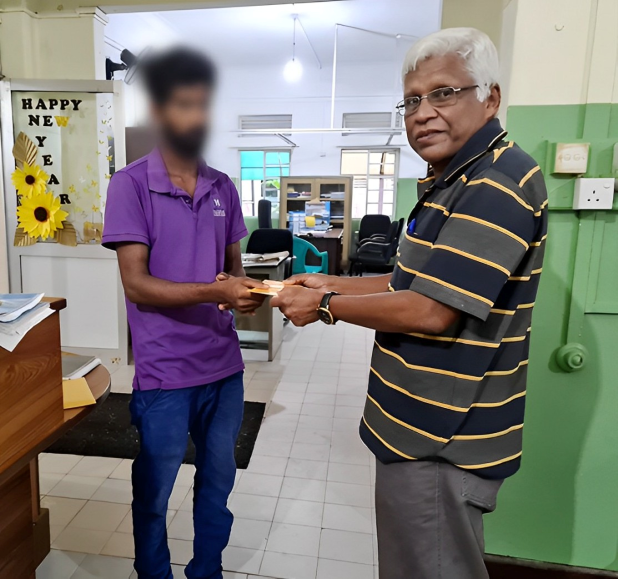
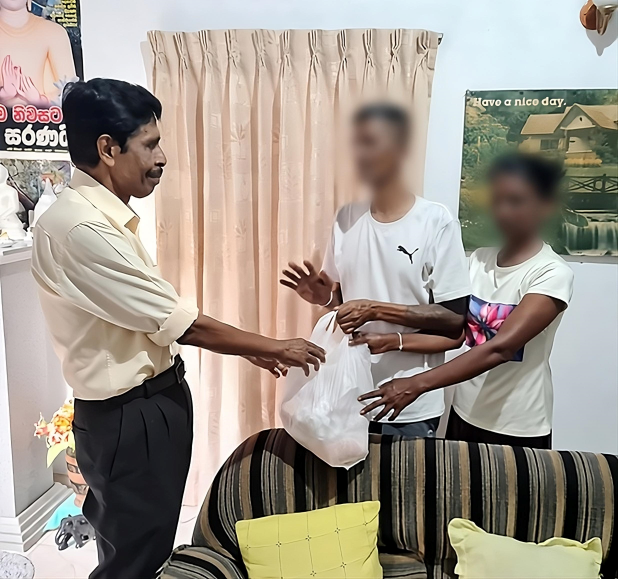
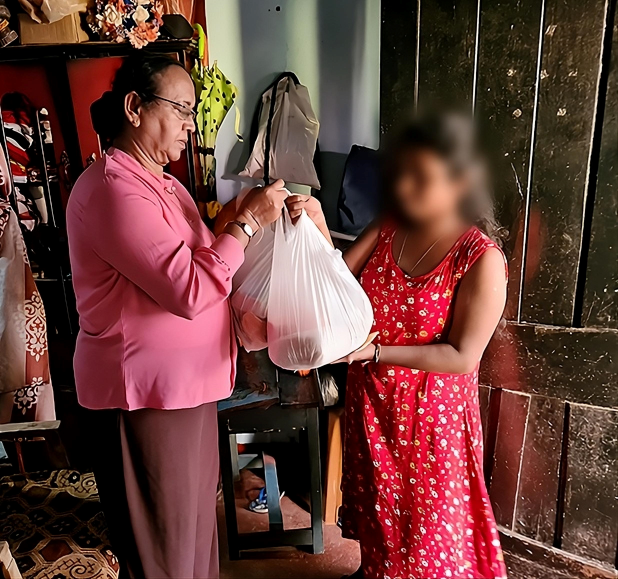
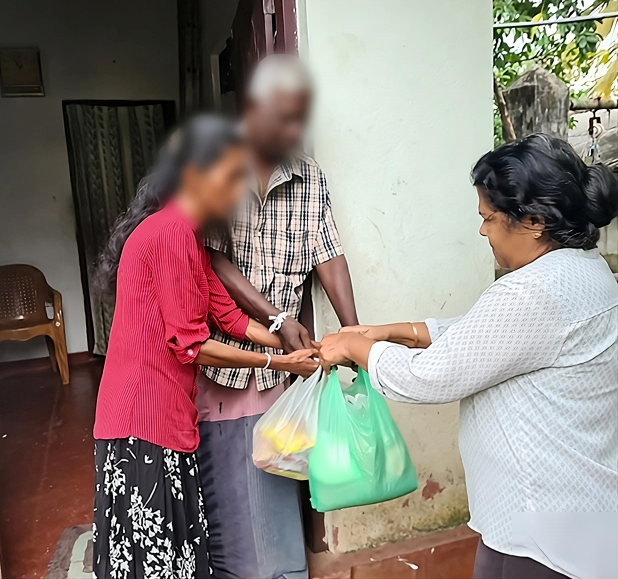
Moments from our work.
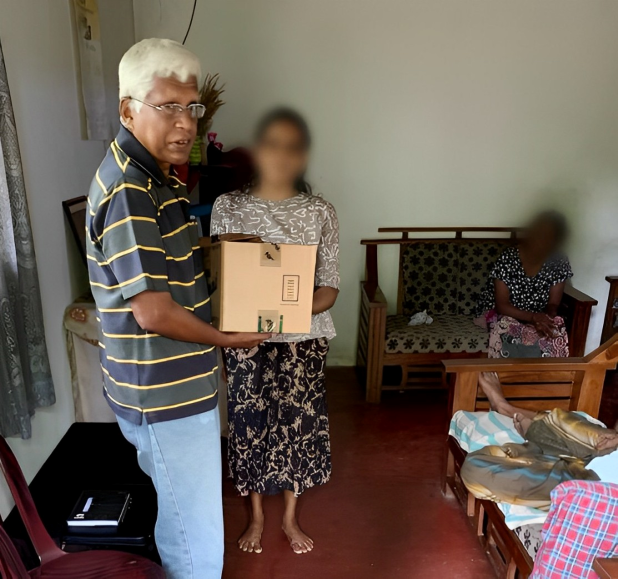
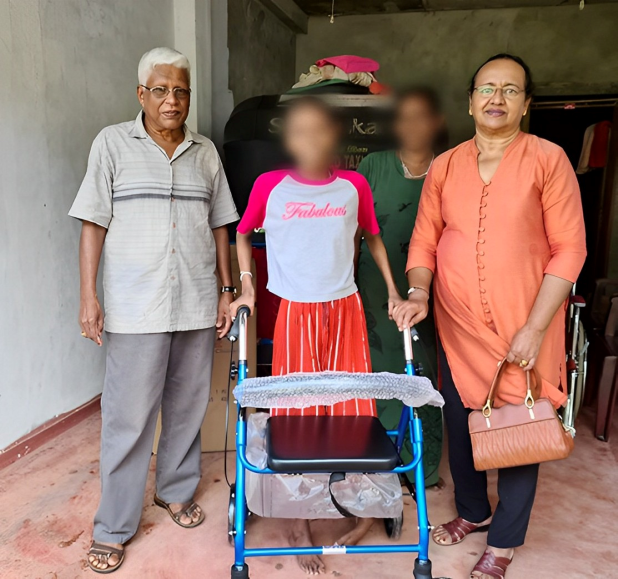
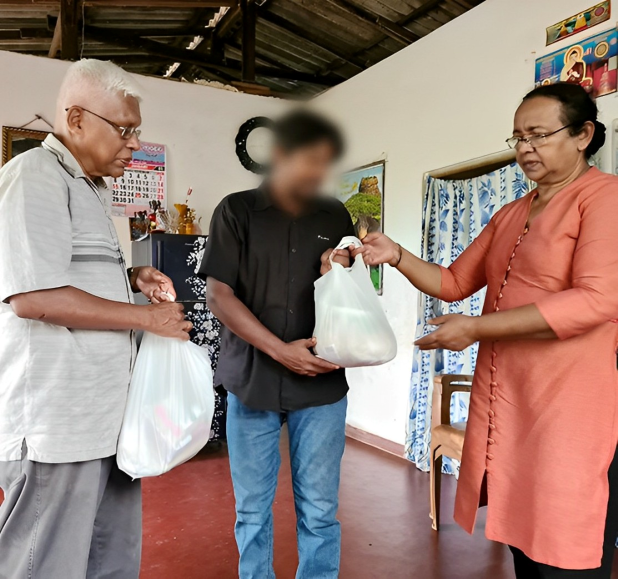
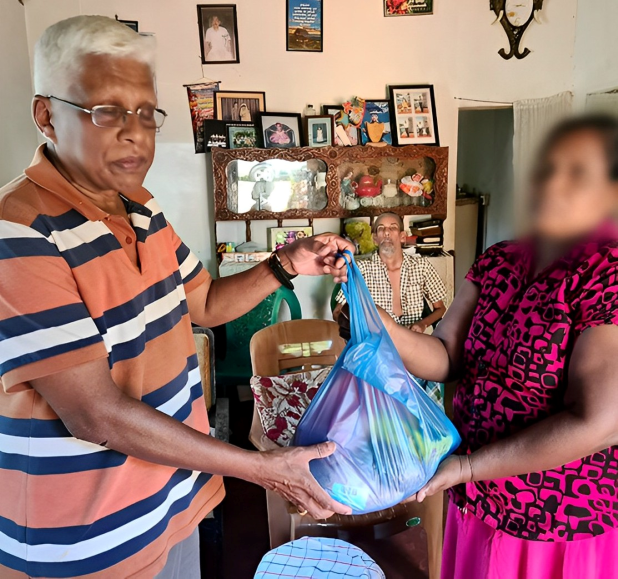
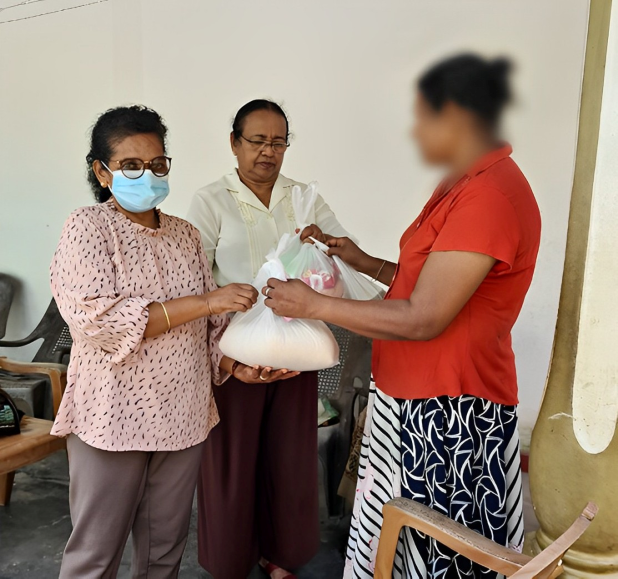
A visual record of patient welfare support, home visits, hospital-based support and community care activities.
Help us continue this work.
Your support helps Lifeline Hope Foundation provide practical care, comfort and hope to patients and families in need.